Introduction
In a globe where emergency situations can strike at any moment, recognizing how to carry out CPR (Cardiopulmonary Resuscitation) is not simply helpful; it's essential. The sheer changability of life implies that anybody can locate themselves in a scenario where they need to conserve a life. In Australia, age-specific mouth-to-mouth resuscitation guidelines have been established to make sure that strategies are tailored for people throughout all age teams-- from babies to seniors. This write-up will certainly look into the intricacies of these standards, providing insights on exactly how to effectively carry out CPR based upon the age of the victim.
Age-Specific mouth-to-mouth resuscitation Guidelines in Australia: Tailoring Techniques for All Ages
The importance of understanding age-specific CPR guidelines in Australia can not be overstated. Various age have differing physical demands and reactions throughout emergency situations. As an example, the technique utilized on a baby is greatly different from that made use of on a grownup. By tailoring our strategy, we can boost the opportunities of survival and considerably effect the end results of heart arrests.
1. Comprehending Cardiopulmonary Resuscitation (CPR)
What is CPR?
Cardiopulmonary Resuscitation is a lifesaving strategy used when somebody's breathing or heartbeat has stopped. It incorporates upper body compressions with rescue breaths to maintain blood circulation and supply oxygen to the mind and other essential organs up until expert medical help arrives.
Why is mouth-to-mouth resuscitation Important?
Every min counts during a heart attack. According to data, carrying out CPR can increase or even triple a victim's opportunity of survival. Thus, being furnished with understanding regarding how to do CPR can indeed make the difference in between life and death.
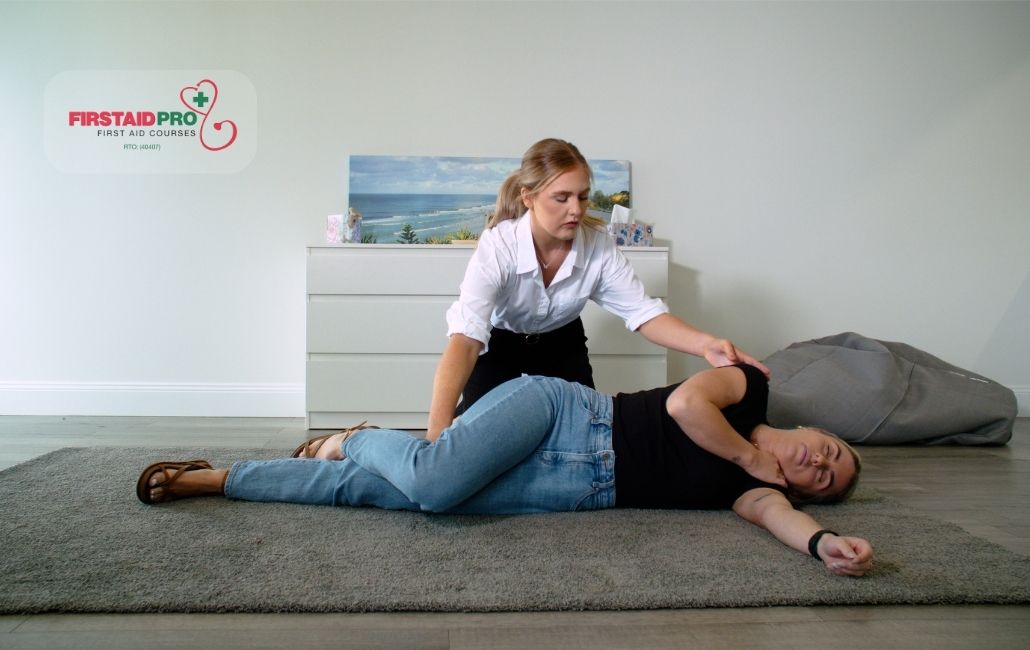
2. Recognizing Cardiac Arrest Signs And Symptoms Throughout Age Groups
Common Check in Adults
- Sudden collapse No pulse Unresponsiveness
Identifying Signs and symptoms in Infants and Children
- Lack of responsiveness Abnormal breathing patterns Pale or blue skin tone
3. The Duty of AED in Cardiac Emergencies
What is an AED?
An Automated External Defibrillator (AED) is a mobile device that checks heart rhythm and can send out an electrical shock to the heart if required. Understanding how to make use of an AED together with mouth-to-mouth resuscitation substantially boosts survival rates.
Using AED with mouth-to-mouth resuscitation Australia: A Step-by-Step Guide
Call emergency services immediately. Begin mouth-to-mouth resuscitation up until an AED is available. Turn on the AED and affix pads. Follow audio/visual triggers provided by the machine.4. Age-Specific Techniques for Performing CPR
Infant mouth-to-mouth resuscitation Technique
When performing CPR on infants:
- Use 2 fingers for compressions. Administer 30 compressions followed by 2 breaths. Ensure your mouth covers both the baby's mouth and nose while giving rescue breaths.
Child (1 year to the age of puberty) CPR Technique
For youngsters:

- Use one hand for breast compressions if they are larger; otherwise, use two fingers. Continue with 30 compressions adhered to by 2 rescue breaths as in infant care.
Adult CPR Technique
For adults:
- Use 2 hands positioned properly on the lower half of the breastbone. Perform 30 chest compressions at a depth of a minimum of 5 centimeters but preferably not exceeding 6 cm-- this aids prevent incorrect compression depth that could bring about inadequate responses.
5. Unique Circumstances Requiring Customized Techniques
CPR for Sinking Victims
Drowning victims call for immediate activity:
Remove from water. Begin rescue breaths prior to proceeding with standard compression techniques.Sports-related Cardiac Arrests
Athletes may experience unexpected cardiac arrest because of physical exertion:
Ensure safety and security first. Perform instant high-grade upper body compressions despite their sports condition.6. Office Emergency Situation Plans: Getting Ready For Unexpected Situations
Creating reliable office emergency situation intends reduces disorder during situations:
- Conduct regular drills making use of regional CPR classes. Keep AEDs available throughout job areas.
7. Home CPR Readiness: Preparing Your Household for Emergencies
Having basic emergency treatment supplies in your home boosts preparedness:
- Maintain a well-stocked emergency treatment kit. Familiarize relative with family treatments in instance a person falls down unexpectedly.
8. On The Internet CPR Qualification Australia: Accessibility Matters
With advancements in innovation, acquiring your CPR qualification online has actually never ever been much easier:
Choose accredited providers offering extensive courses covering existing Australian standards. Assess sensible parts with scheduled workshops or simulations after online learning.9. The Credibility of Your CPR Certificate
Understanding CPR certificate validity ensures you stay ready:
- Most qualifications last in between one to 3 years, depending on business demands; restore them regularly.
10. Advanced Resuscitation Skills: Surpassing Fundamental Techniques
Healthcare specialists commonly need advanced resuscitation abilities:
Training includes taking care of air passage blockages effectively. Understanding medicinal treatments along with basic protocols boosts outcomes significantly.FAQs
FAQ 1: What need to I do if I witness somebody collapse?
Call emergency situation solutions quickly, then First Aid Training in Tweed Heads check responsiveness and pulse while preparing to execute CPR if necessary.
FAQ 2: Exist certain training sessions available?
Yes! Various regional CPR classes cater to all ages and ability levels across Australia; check recreation center or hospitals!
FAQ 3: How often need to I renew my certification?
Most companies recommend renewing each to three years depending on certain accreditation needs within Australia.
FAQ 4: Is it required to combine first aid with my mouth-to-mouth resuscitation training?
Combining cpr and first aid combo programs supplies comprehensive life-saving skills relevant in different circumstances beyond heart attack scenarios.
FAQ 5: Can I do efficient rescue breaths without training?
While you can try hands-only CPR, CPR Training Tweed Head acquiring proper training makes certain reliable delivery techniques customized especially for different age guaranteeing far better outcomes overall!
FAQ 6: What occurs if I do mouth-to-mouth resuscitation incorrectly?
While it's essential not to panic over errors made throughout a lifesaving attempt, making sure appropriate training reduces dangers connected with incorrect techniques like not enough deepness or pacing errors!
Conclusion
Understanding age-specific standards surrounding cardiopulmonary resuscitation gears up individuals with essential skills essential for conserving lives across varied situations within Australia-- from babies through senior individuals facing different emergency situations alike! Whether you're seeking official education and learning via neighborhood courses or pursuing online accreditation options-- staying upgraded fosters self-confidence when minutes matter most! Do not undervalue your ability; every 2nd matters! Start learning today since mastering these strategies might extremely well suggest conserving someone's life tomorrow! The significance of being prepared can not be overstated-- nevertheless, expertise saves lives!